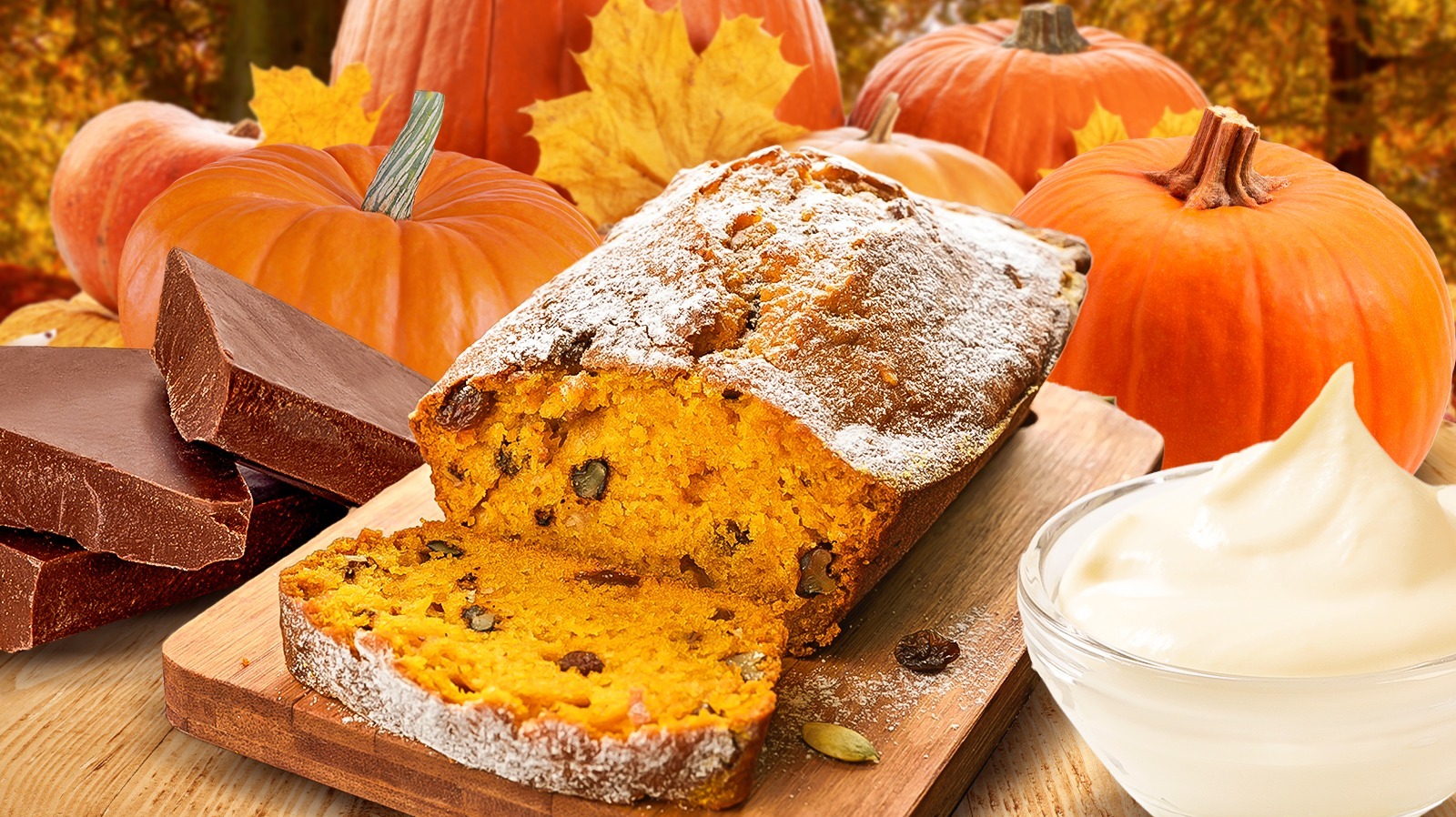
The comforting aroma of warm spices mingling with sweet pumpkin is, for many, the quintessential scent of autumn. There's something undeniably nostalgic and deeply satisfying about a slice of homemade
pumpkin bread – a simple pleasure that transports you straight to crisp fall days and cozy evenings. But not all pumpkin breads are created equal. We've all encountered those dry, crumbly loaves that disappoint with every bite. The secret to achieving that coveted ultra-moist, tender crumb that truly melts in your mouth often boils down to a fundamental ingredient choice: oil or butter.
My own journey to perfect
moist pumpkin bread began years ago, in a tiny apartment kitchen that barely fit a mixing bowl. Armed with a can of pumpkin and an almost-empty spice rack, I embarked on what felt like a culinary adventure. The first loaf, while undeniably comforting, was a little denser than I’d hoped. It was a good start, but I knew it could be better. Through countless batches, a crucial distinction emerged, transforming my baking from merely good to truly exceptional. This guide will explore that pivotal difference, offering insights and tips to ensure your next loaf of
pumpkin bread is nothing short of perfection.
The Quest for Perfection: Unveiling the Secret to Ultra-Moist Pumpkin Bread
Making
pumpkin bread is often heralded as one of the easiest baking endeavors, perfect even for novice bakers. You don't necessarily need fancy equipment – often just one bowl and a spatula will suffice. The magic truly happens as the simple ingredients like canned pumpkin, flour, eggs, sugar, and an aromatic blend of warm spices come together and transform in the oven, filling your home with an intoxicating scent. But while the process is straightforward, achieving that sought-after, incredibly moist texture requires a little insider knowledge.
The reference points to a simple yet profound choice that heavily influences the final texture: the fat you incorporate into your batter. This decision not only impacts the bread's initial tenderness but also how long it stays fresh and moist, an essential factor if you're baking a loaf to enjoy over several days. Whether you're aiming for an everyday snack or a special treat, understanding this distinction is your key to unlocking the ultimate
pumpkin bread recipe.
Oil vs. Butter: The Definitive Battle for Superior Moisture
When it comes to baking, both oil and butter are common fats, but they behave very differently in a recipe, especially in quick breads like
pumpkin bread. Each brings its own unique properties to the table, influencing flavor, texture, and shelf life.
Why Oil Reigns Supreme for Tenderness and Lasting Moisture
For an unparalleled level of moisture and a consistently tender crumb, oil typically emerges as the victor. Here’s why:
*
Liquid at Room Temperature: Unlike butter, most oils are liquid at room temperature. This means they coat the flour proteins more thoroughly and more effectively inhibit gluten development. Less gluten development results in a more tender, less chewy texture, which is ideal for quick breads.
*
Even Distribution: Being liquid, oil disperses evenly throughout the batter, leading to a uniformly moist and tender crumb structure.
*
Extended Freshness: Cakes and quick breads made with oil tend to stay softer and moister for a longer period. This is because oil is 100% fat (unlike butter, which contains water), and fat is excellent at retaining moisture within the baked good. This quality is particularly beneficial if you plan to enjoy your
easy pumpkin bread over several days, or if you prefer to refrigerate it.
*
Neutral Flavor Profile: Oils like vegetable oil, canola oil, or even a light olive oil (for a subtle fruity note) have a relatively neutral flavor, allowing the vibrant taste of pumpkin and spices to truly shine. For a slightly richer, yet still moist, loaf, some bakers experiment with coconut oil, though it will impart a distinct flavor.
The Case for Butter: Flavor Over Foremost Moisture?
While oil excels in moisture, butter undeniably brings a richness and depth of flavor that is hard to replicate. However, its properties can sometimes work against prolonged moisture:
*
Solid at Room Temperature: Butter is solid at room temperature. When creamed with sugar, it incorporates air, contributing to a lighter texture in some baked goods. However, in quick breads, this structure can sometimes lead to a slightly drier result as the butter melts and the water content evaporates during baking.
*
Water Content: Butter is typically around 80% fat and 20% water. This water evaporates during baking, which can contribute to a firmer, sometimes drier, crumb compared to the pure fat of oil.
*
Flavor Contribution: The dairy solids in butter brown during baking, contributing to a wonderfully complex, nutty, and rich flavor that many find irresistible. If you're serving your
best pumpkin bread fresh out of the oven, perhaps with a dollop of spiced whipped cream or a simple glaze, the superior flavor of butter might be worth the slight trade-off in long-term moisture.
For an everyday, super-moist loaf that holds up beautifully, oil is generally the superior choice. But for those special occasions when flavor is paramount and the bread will be devoured quickly, don't shy away from butter. Some bakers even use a combination of both to get the best of both worlds!
Beyond Fat: Elevating Moisture and Flavor in Your Pumpkin Bread
While the oil vs. butter debate is crucial, several other factors contribute to an incredibly moist and flavorful loaf of
pumpkin bread. These insights will further refine your baking technique and ensure a consistently perfect result.
Pure Pumpkin Purée: The Foundation
Always opt for 100% pure canned pumpkin purée, not pumpkin pie filling. Pie filling contains added sugars and spices, which can throw off the balance of your recipe. Pure pumpkin provides that earthy, rich flavor and essential moisture without any unwanted surprises. Brands like Libby's or store-brand organic versions are often praised for their thick consistency.
Sugar's Sweet Secret: More Than Just Sweetness
Sugar, beyond providing sweetness, is a hygroscopic ingredient, meaning it attracts and retains moisture. Using a combination of granulated sugar and brown sugar can enhance your bread's moistness. Brown sugar, with its molasses content, adds an extra layer of moisture and a deeper, caramel-like flavor that beautifully complements pumpkin and spices.
The Gentle Touch: Mastering Mixing
Overmixing is the enemy of a tender quick bread. Once you combine the wet and dry ingredients, mix just until no streaks of flour remain. Overmixing develops the gluten in the flour, leading to a tough, dense crumb instead of the light, tender texture you desire in
moist pumpkin bread.
Don't Overbake: The Moisture Thief
Baking time is critical. Overbaking is one of the quickest ways to dry out your
pumpkin bread. Start checking for doneness a few minutes before the recipe suggests. A wooden skewer or toothpick inserted into the center of the loaf should come out clean or with a few moist crumbs attached, but not wet batter. Remember, the bread continues to cook slightly from residual heat after it's removed from the oven.
Spice it Up: Enhancing the Fall Flavors
The blend of spices is what truly makes
pumpkin bread taste like fall. Cinnamon, nutmeg, ginger, and cloves are classic. Don't be afraid to experiment with a pinch of allspice or even a tiny amount of black pepper for a surprising depth that enhances the other spices. A splash of vanilla extract also boosts the overall flavor profile.
Crafting Your Ultimate Pumpkin Bread: A Recipe for Success
Armed with these secrets, you're well on your way to baking the most delicious and moist
pumpkin bread. Here’s a summary of actionable tips for your next baking adventure:
1.
Choose Your Fat Wisely: For maximum moisture and tenderness, especially for loaves meant to last, stick with a neutral oil. If rich flavor and immediate consumption are priorities, butter can be wonderful.
2.
Quality Ingredients: Use 100% pure pumpkin purée and fresh spices.
3.
Balance Your Sugars: Consider using a mix of granulated and brown sugar for added moisture and flavor complexity.
4.
Mix Gently: Combine wet and dry ingredients just until barely incorporated to avoid overdeveloping gluten.
5.
Watch the Oven: Bake until a toothpick comes out mostly clean, but do not overbake.
6.
Cool Properly: Allow the bread to cool in the pan for 10-15 minutes before transferring it to a wire rack to cool completely. This prevents it from becoming soggy and helps set the crumb.
7.
Storage Savvy: Store cooled pumpkin bread tightly wrapped in plastic wrap or foil at room temperature for up to 3-4 days to maintain its moisture. For a comprehensive guide on ingredients and step-by-step instructions, check out our article on
The Easiest & Most Moist Pumpkin Bread Recipe for Fall. If you're looking for variations like gluten-free options or adding chocolate chips and nuts, you’ll find fantastic tips in
Bake Foolproof Pumpkin Bread That Tastes Like Fall in Every Bite.
Ultimately, the best
pumpkin bread is the one you enjoy most. By understanding the roles of key ingredients like oil and butter, and applying these simple yet powerful techniques, you can ensure your next loaf is not just good, but truly exceptional – a perfectly moist, flavorful tribute to the season. Happy baking!